Workout of the Month
Exercising with Arthritis is critical. It helps reduce pain, retain range of motion and build or retain strength. Do this routine a couple of times each week.
Why Seed Oils Are Bad for Our Health

Why Seed Oils Are Bad for Our Health
By Ron La Fournie (I have quoted extensively in this article from Dr. Catherine Shanahan's book, 'Dark Calories' with permission.)
For years we have been told that fat was the enemy. Eat less fat, avoid butter, switch to “heart‑healthy” oils, and everything would take care of itself. Like many people, I followed that advice because it came from authorities we were supposed to trust.
What I’ve learned since—through study, experience, and watching my own health change—is that the real issue isn’t fat itself. It’s which fats we eat, how they’re made, and what they do inside the body.
This isn’t a diet. It’s about understanding fuel. And if you want your body to work well for decades, you need to know what you’re putting in the tank.
How Seed Oils Are Made
Seed oils include canola, soybean, corn, sunflower, safflower, cottonseed, and what’s often labeled simply as “healthy vegetable oil.” These oils come from hard seeds that don’t naturally releas...
Choosing The Right Fitness Tools
By Ron La Fournie
One of the biggest mistakes people make in fitness is believing they need to use all the tools.
They don’t.
Fitness isn’t about collecting methods — it’s about choosing the right ones for your body, your health, and your stage of life, then using them consistently.
That’s common sense.
Start With Where You Are — Not Where You Used to Be
Many people choose fitness tools based on who they were, not who they are now.
“I used to run.”
“I used to lift heavy.”
“I used to play sports.”
There’s nothing wrong with that history — but your current body gets the final vote.
The right tools meet you where you are today and help you move forward safely.
Your Body Is the Filter
Every fitness tool should pass a simple test:
Does it cause pain during or after?
Does it feel sustainable?
Does it help you move better in daily life?
Can you recover from it?
If the answer is no, it’s not the right tool — right now.
That doesn’t mean never. It means not yet.
Match Tools to Outcomes
Dif...
Fitness Tools
Summary
Fitness tools are not machines or gadgets — they are simple methods of movement that humans have used for thousands of years. Walking, lifting, stretching, breathing, and resting are all tools that support strength, mobility, balance, cardiovascular health, and mental clarity. When used consistently and with common sense, these tools help slow aging, prevent disease, and preserve independence. This is not about doing everything. It is about doing the basics, repeatedly, for life.
When most people hear the term fitness tools, they think of equipment — machines, programs, or expensive solutions. That was never my definition.
In common sense fitness, tools are simply the ways we move our bodies and recover from life. Nothing fancy. Nothing extreme.
Just what works — and has always worked.
Walking – The Foundation Tool
Walking is the most natural human movement. It improves cardiovascular health, joint mobility, posture, circulation, and mental clarity. If walking were a pill, it...
Fitness 101
By Ron La Fournie
External Links:
Oxidation
A Simple Introduction to Getting Started
If you are new to fitness, or returning after years away, let me start with this: fitness is not complicated—we’ve just made it that way. You don’t need fancy equipment, a gym membership, or a perfect plan. You need a few basics, some consistency, and the willingness to start where you are.
I didn’t find fitness early in life. I found it when I needed it most. And that’s why I teach it the way I do—simple, practical, and sustainable.
What Is Fitness, Really?
Fitness is your ability to move your body through daily life without pain, fear, or exhaustion. It’s bending, lifting, pushing, pulling, walking, reaching, balancing, and getting back up when you’ve gone down.
True fitness includes strength, mobility and flexibility, balance and coordination, cardiovascular health, and posture and body awareness. You don’t train these separately—you train them together by moving your body the way it was de...
Nutrition Fundamentals

Nutrition Fundamentals
Nutrition saved my life long before I realized it.
For years, I thought fitness was mostly about exercise. If I trained hard enough, often enough, everything else would take care of itself. I was wrong. Exercise matters, but nutrition is the fuel that makes exercise work—or fail.
Nutrition and exercise are equal partners. One without the other simply doesn’t get you where you want to go.
Calories: Your Body’s Fuel
Every bit of energy your body uses comes from calories, and calories come from three sources:
Protein
Carbohydrates
Fat
These are called macronutrients. Understanding them—even at a basic level—gives you control over how you feel, how you age, and how your body performs.
Protein: The Rebuilding Nutrient
Protein is best known for building and repairing tissue. Every gram of protein provides four calories, but its real value isn’t energy—it’s structure.
Your body is constantly rebuilding itself. Muscle, bone, skin, organs—all of it is in a constant cy...
Why is Your Core Important?

If you want to improve your walking, running, swimming, golf, or any physical activity, then you need to think about about how important your core is.
If you want to look younger and actually feel better, then core exercises are critical. Many older people are afraid of falling and injuring themselves. Working to improve your balance through core exercises can prevent a dangerous fall, and the resulting injuries. That's how important your core is!
Strengthening your core through core exercises can help make the daily tasks like bending, turning, reaching out easier so that working around the house, and cleaning your yard, shovelling your driveway stay within your realm of possible activities? Your core will determine your participation in these activities, and help you to deal with many types of back pain.
What Is "The Core"?
The core is the entire group of muscles around our mid-sections. It is not just the six pack, which we all have by the way, though some of us just hide it re...
Why Is Being Overweight Bad For you?

Common sense tells us that being overweight might not be in our best interests.
I think we all agree with that, right? But, is being a little bit overweight bad for you? And how much is a little bit? Is it 5 lbs., 15 lbs., 20 lbs., more? So, what is the cut-off point? And would the cut-off point be the same for everyone?
We are seeing an increasing number of articles in magazines and newspapers these days about managing your weight! They make it sound like being overweight is ok, it’s normal, and they offer suggestions to help you ‘Manage Your Weight’. Which of course you can do by following whatever diet or exercise program they are peddling at the moment.
The truth is, “it is not healthy to be overweight”.
And Managing your excess weight is not the best way to handle this problem.
This is just making the situation seem normal, rather than solving the problem.
Trying to make general health rules that apply to everyone is extremely difficult. As we age we become increasingly ...
Help! I've Fallen and I Can't get Up!
-
Most falls can be/or could have been prevented!
-
Fall prevention is something you can do yourself!
We have grown up watching and hearing about older people falling and suffering broken wrists, forearms, and hip fractures and then require long-term care and a lifetime of complex medications. These are common injuries from falling. We have seen so many injuries we often think it is normal for older people.
However, it doesn’t have to be that way. Read on to find out more and ensure you stay injury-free for years to come by reducing the risk factor with injury prevention.
Myths
- Many people believe that falls just happen and they cannot do anything about it.
- They also believe that falls are more likely to happen as they age.
Facts
- Falls are not part of the aging process, but they do often happen to older people! Ever Wonder Why?
- Falls are the leading cause of serious injuries in older adults.
- Adults over the age of 65 have a greater chance for fall injuries than ...
Doms
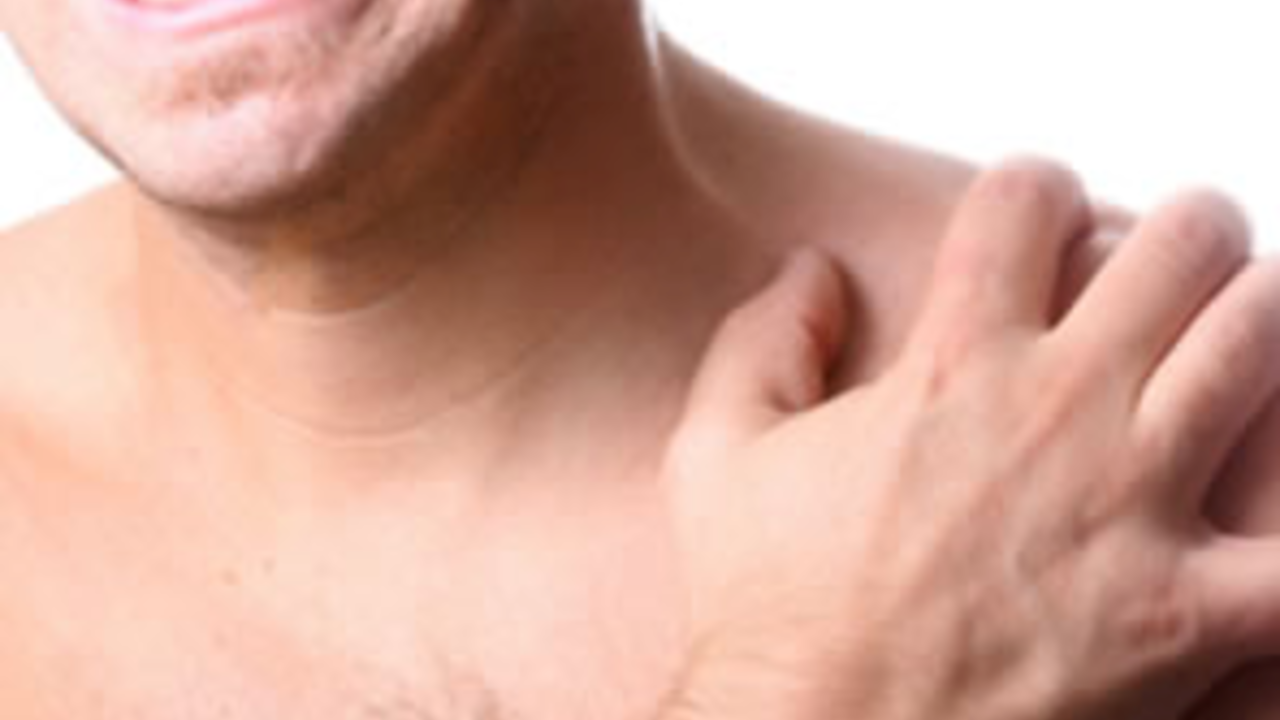
As you begin this program, you will become very familiar with 'DOMS', delayed onset of muscle soreness. It happens when we use muscles we haven't used in a long time or we use them in a different way.
Doms is caused by some degree of muscle damage that becomes noticeable approximately 8 hours after exercise and can last 2-3 days in my experience. The exercising has caused microscopic tears in muscle cells, (perfectly natural as the result of working muscles).
The inflammation is your body’s healing response which results in some swelling, thus the pain.
This is part of the mechanism of muscle adaptation to training.
It is also why we exercise different muscle groups on alternate days. It gives what you worked yesterday a chance to adapt and heal. That is how muscles grow stronger. In addition as your body get used to the increased activity level, Doms should lessen.
There is a concept called ‘hard-easy’ that refers to following a hard workout with an easy one. That’s one way to re...