Three Things Aging Men Need to Know About Protein, Testosterone and Recover
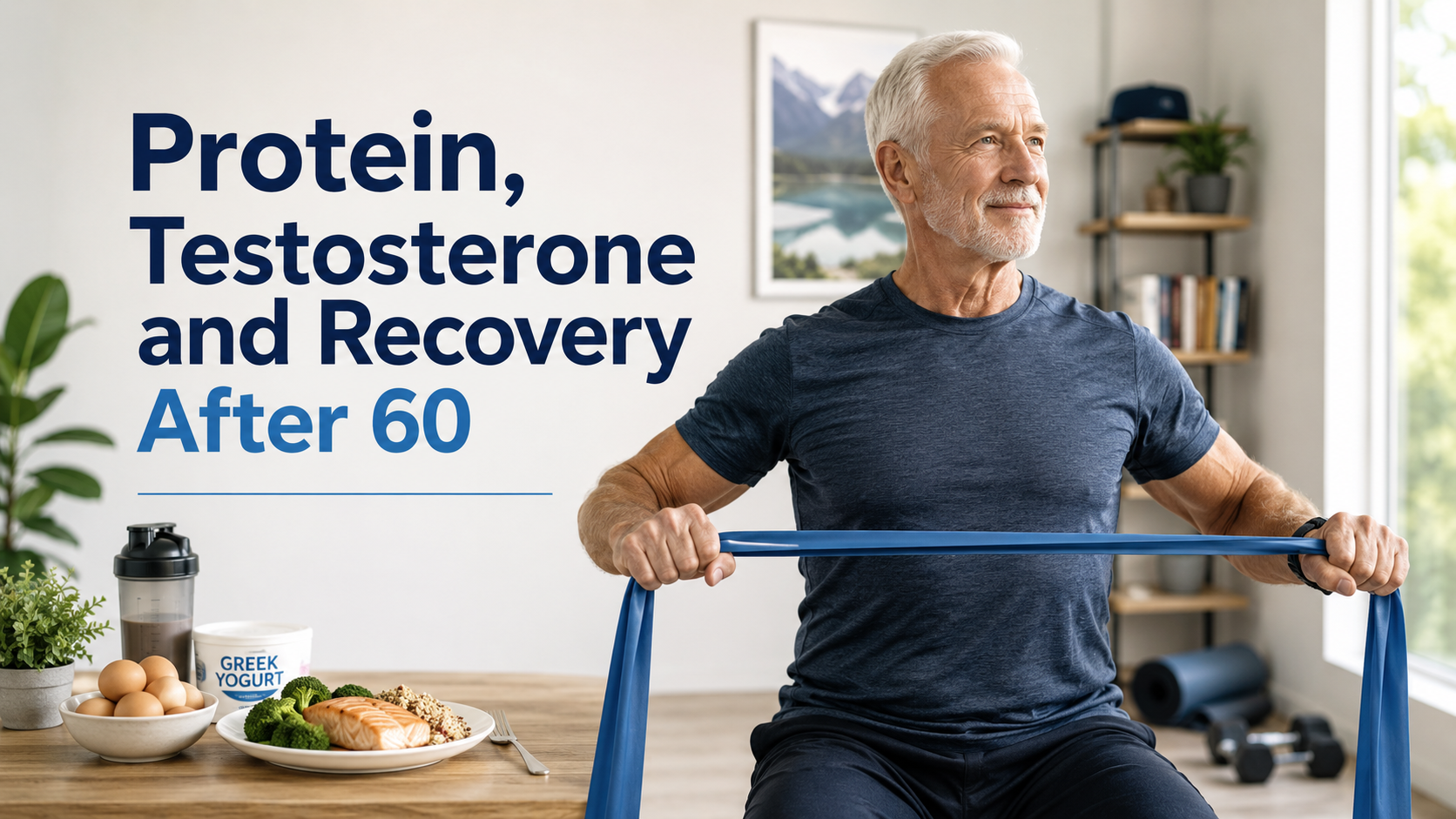
Three Things Aging Men Need to Know About Protein, Testosterone and Recovery
Aging changes the way a man’s body responds to food, exercise and rest.
These changes do not mean that weakness, weight gain or loss of independence are unavoidable. They simply mean that the habits that worked at age 40 may need to be adjusted at age 60, 70 or 80.
Research points to three important changes:
-
Older muscles may require more protein.
-
Testosterone often declines, especially when excess abdominal fat is present.
-
Recovery from strenuous exercise may take longer for some older men.
Why Do Older Men Need More Protein?
Muscle is constantly breaking down and rebuilding.
When we eat protein, the amino acids in that protein stimulate the body to repair and build muscle tissue. Resistance exercise also stimulates this rebuilding process.
As we age, our muscles may not respond as strongly to the same amount of protein. Researchers call this anabolic resistance.
It does not m...
Exercise & Longevity
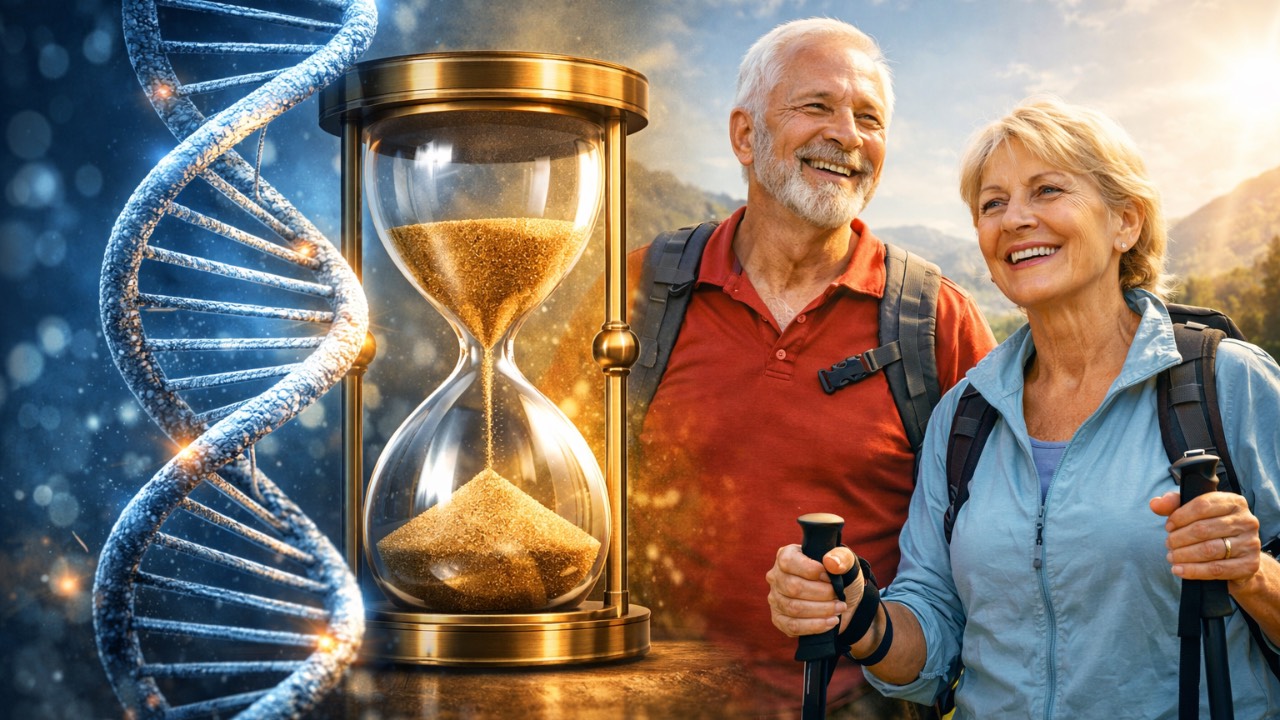
The 4 Longevity Skills
Evidence-Based Predictors of Longevity for Seniors
Seniors Summary (Read This First)
Research shows that how long and how well we live is strongly linked to a few basic physical abilities. These abilities are not about athletic performance — they reflect independence, resilience, and recovery.
The strongest predictors of longevity in older adults are:
• Cardiorespiratory fitness (your engine)
• Lower-body strength (your legs)
• Walking speed and mobility (your steps)
• Ability to get up and down from the floor (your get-up skill)
The good news: all four can be tested at home and improved at any age with consistent, sensible training.
What the Research Shows
Walking Speed:
Studenski et al. (2011) concluded that gait speed is a powerful predictor of survival in older adults, stating:
“Gait speed was associated with survival in all studies… survival increased across the full range of gait speeds.”
(JAMA, 2011)
Strength:
A large meta-analysis by Garcia-Hermoso et al. (20...
Why Balance Declines — And Why You Don’t Have to Accept It
Internal Links
Introduction to Balance :
https://youtu.be/4gyK
Senior’s Summary
Balance usually doesn’t disappear suddenly — it fades over time.
As we age, muscles weaken, reactions slow, joints stiffen, and the brain gets less information from the feet, eyes, and inner ear. When these systems don’t work together, balance suffers.
The good news: balance is trainable at any age.
With regular movement, leg strength, and simple balance exercises, stability and confidence can improve.
You don’t need extreme workouts — just consistent, intentional movement.
For most of my life, I never thought about balance.
Most of us walked, ran, trained, climbed stairs, and got on with our day without giving it a second thought. Balance was just there—automatic, reliable, invisible.
Until it wasn’t.
What most people don’t realize is that balance doesn’t disappear overnight. It erodes quietly. Slowly. Often without warning. One day you notice you’re grabbing the railing more often. Another day yo...