Oxidation, Bad Fats and Why They Matter
Oxidation is one of those health words that sounds complicated, but the idea is actually very simple—and very important.
Oxidized cholesterol and oxidized fats are not natural, healthy fats. They are damaged fats. In everyday terms, oxidation happens when something breaks down after being exposed to oxygen.
Think about rust.
When metal is left outside, it rusts. When a cut apple or potato turns brown on your kitchen cupboard, that’s oxidation. When cooking oil smells bad or tastes off, it has gone rancid. All of these are examples of oxidation at work.
The same thing happens inside your body.
Oxidation is not all bad. Your body uses oxygen to turn food into energy. That’s how you stay alive and active. Problems start when oxidation gets out of control and begins damaging healthy cells.
When fats and cholesterol are damaged by oxidation, they no longer behave normally. This is especially important when it comes to cholesterol.
Cholesterol itself is not the villain it’s often made out to be. Yo...
Reduce Oxidative Stress Naturally
Senior Summary Box
- Eat a variety of colorful whole foods daily
- Move your body most days
- Prioritize sleep and recovery
- Reduce avoidable lifestyle stressors
How to Reduce Oxidative Stress Naturally
This article is the companion to Reactive Oxygen Species and Antioxidants and is part of the Common Sense Nutrition framework used throughout Seniors Fitness with Ron and the book, 'Fitness Saved My Life'.
Oxidative stress is not something to fear. It’s something to manage. And the good news is that the most powerful tools are simple, free, and available to everyone—especially as we age.
Food First: Your Primary Defense
The body relies on antioxidants from real food to keep oxidation in balance.
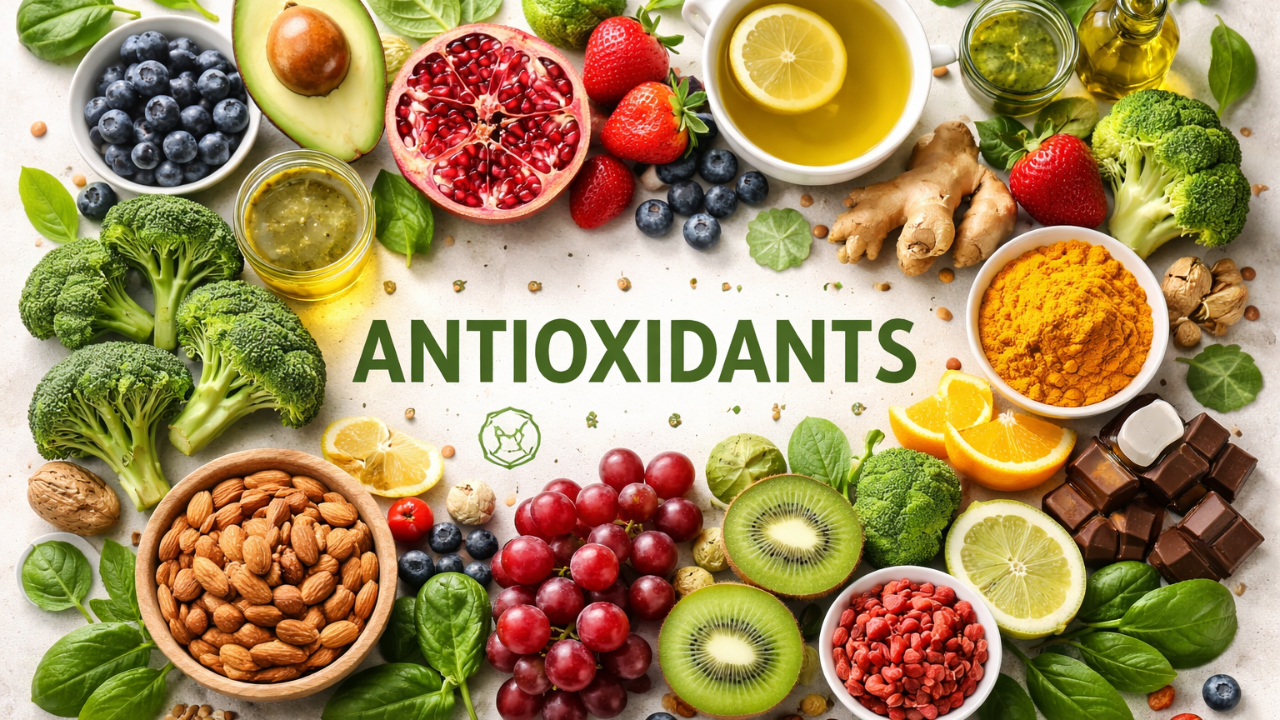
Color matters. The pigments in vegetables and fruits act as natural antioxidants. Leafy greens, berries, peppers, squash, and citrus all play a role.
This isn’t about superfoods or supplements. It’s about consistency and variety.
Exercise: Controlled Stress That Makes You Stronger
Exercise tem...
Myofascial Release

What Is Myofascial Release? A Senior’s Guide to Moving Better
Seniors Summary (Read This First)
- Myofascial release is about loosening tight connective tissue, not muscles alone
- Tight fascia can limit movement, cause aches, and make you feel “older than you are”
- Gentle pressure and slow movement can restore comfort and mobility
- It’s safe, effective, and especially useful for seniors when done properly
If you’ve ever said, “My muscles just feel tight all the time,” you may not be talking about muscles at all.
You’re probably talking about fascia.
Understanding fascia—and how to release it—can be a game changer for seniors who want to move better, feel looser, and stay independent.
What Is Fascia?
Fascia is a thin but strong connective tissue that wraps around everything in your body—muscles, joints, organs, and even nerves. The superficial fascia (right under your skin) allows you to pinch and lift the skin on your forearm. There is a deeper fascia that covers muscl...
Oxidative Stress: Why It Matters As We Age
Senior’s Summary (Read This First)
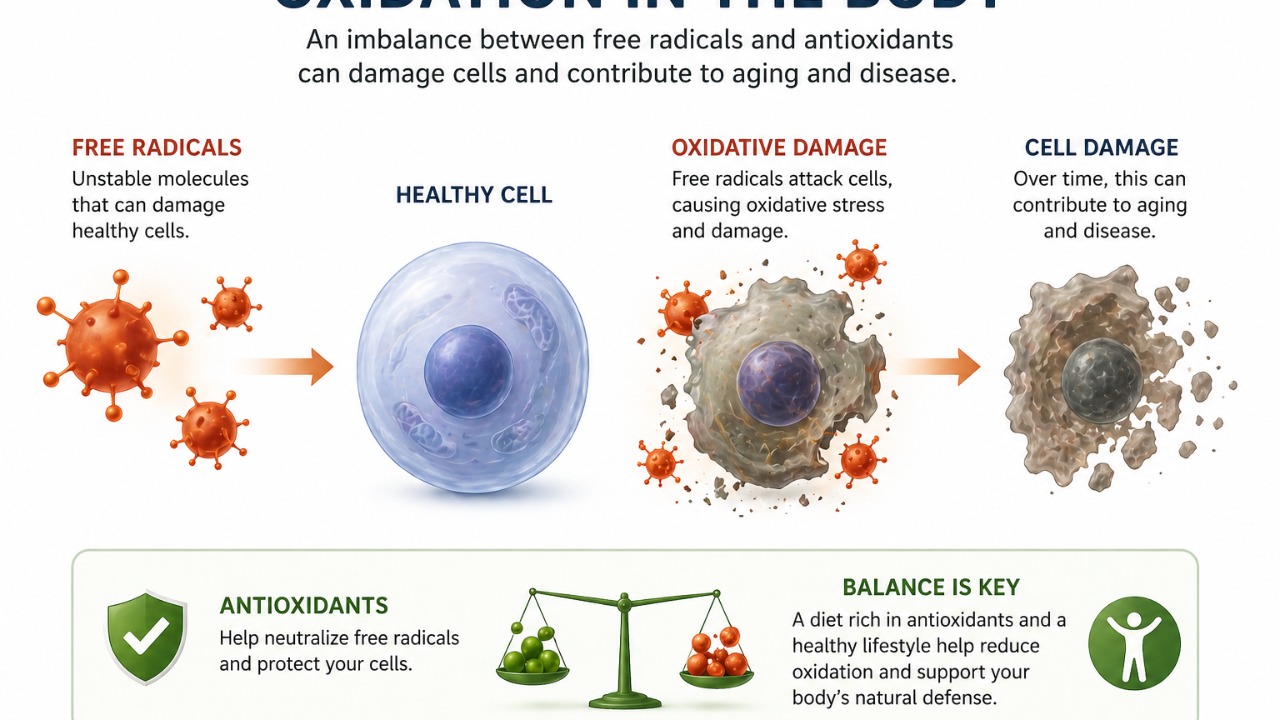
- Oxygen keeps us alive, but it also creates wear and tear inside the body.
• This wear and tear is called oxidative stress—think of it like rust forming inside your cells.
• Too much oxidative stress is linked to heart disease, cancer, arthritis, brain decline, and aging.
• Your body fights back using antioxidants.
• Exercise, real food, and common-sense nutrition help keep this balance in your favour.
• This is one more reason why fitness truly can save your life.
Oxygen is essential to life. We can’t live without it. Every breath we take allows our cells to produce energy so we can move, think, heal, and stay alive. But there’s a tradeoff.
Every time your body uses oxygen to make energy, it also produces waste products called free radicals. This happens inside the mitochondria—the power plants of your cells. In small amounts, free radicals are normal and even helpful. They assist with cell signaling and help the immune system respond to threats.
The ...
Take Control of Your Life
Take Control of Your Life
Internal Links
Why Balance Declines, and Why You Don't Have to Accept It?
Senior’s Summary (Read This First)
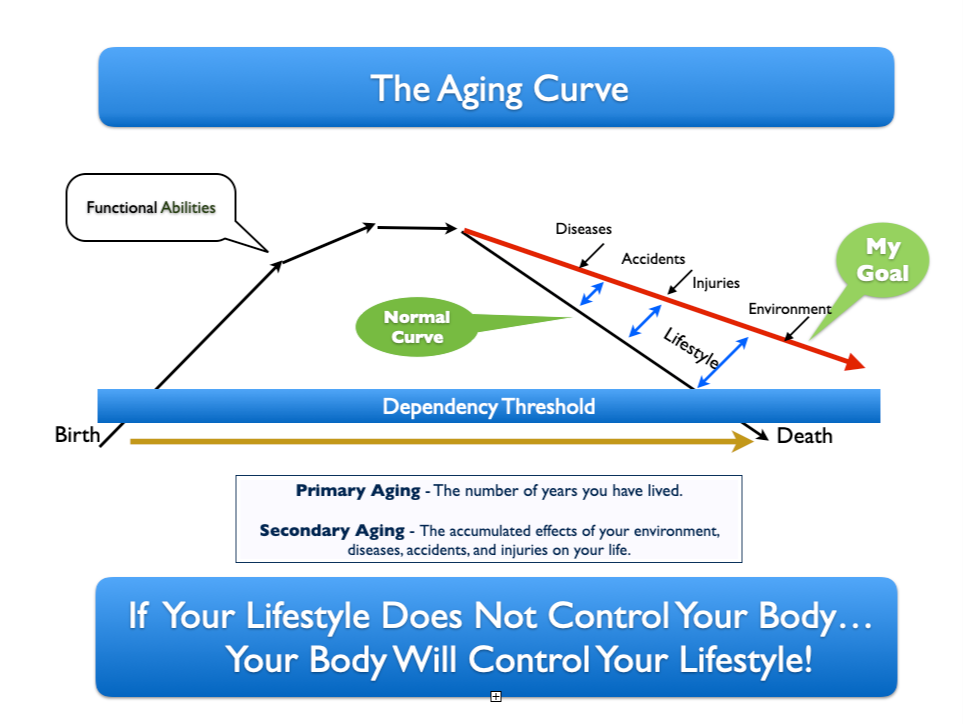
If your lifestyle does not control your body, your body will control your lifestyle.
That’s not a threat — it’s a reality many people discover too late.
• Inactivity and poor nutrition slowly limit what your body can do
• Extra weight, weakness, and stiffness reduce independence
• Loss of function leads to loss of choice
• The Aging Curve explains why this happens — and how to push back
• Small, consistent lifestyle choices restore control at any age
This is not about perfection. It’s about direction.
For most of my life, I believed my body would always do what I asked of it.
If I wanted to work harder, I did. If I wanted to move faster, I could. If something felt stiff or sore, I assumed it would pass. Like most people, I never questioned that assumption — until my body began answering back in ways I d...
Cooking Oils: Flash Point-Smoke Point
Seniors Summary (Read This First)
- Knowing the Flash point is about kitchen fire safety — not health
• Smoke point and oxidative stability determine how healthy an oil is when cooked
• Overheating oils creates inflammatory compounds
• Matching oil to cooking temperature protects your heart and metabolism
Related Blog Articles:
• Common Sense Nutrition – https://www.SeniorsFitnessWithRon.com/common-sense-nutrition
• Fitness Saved My Life – https://www.SeniorsFitnessWithRon.com/fitness-saved-my-life
• Understanding Inflammation – https://www.SeniorsFitnessWithRon.com/inflammation
• Heart-Healthy Cooking – https://www.SeniorsFitnessWithRon.com/heart-health
Flash Point vs Smoke Point: What’s the Difference
Flash point is a fire-safety measurement. It refers to the temperature at which oil vapors may ignite if exposed to flame. It has nothing to do with nutrition.
The smoke point is the temperature where oil begins to visibly smoke and chemically break down. Once this happens, the oil produces...
Why Balance Declines — And Why You Don’t Have to Accept It
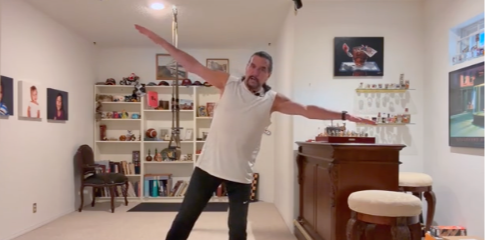
Internal Links
Introduction to Balance :
https://youtu.be/4gyK
Senior’s Summary
Balance usually doesn’t disappear suddenly — it fades over time.
As we age, muscles weaken, reactions slow, joints stiffen, and the brain gets less information from the feet, eyes, and inner ear. When these systems don’t work together, balance suffers.
The good news: balance is trainable at any age.
With regular movement, leg strength, and simple balance exercises, stability and confidence can improve.
You don’t need extreme workouts — just consistent, intentional movement.
For most of my life, I never thought about balance.
Most of us walked, ran, trained, climbed stairs, and got on with our day without giving it a second thought. Balance was just there—automatic, reliable, invisible.
Until it wasn’t.
What most people don’t realize is that balance doesn’t disappear overnight. It erodes quietly. Slowly. Often without warning. One day you notice you’re grabbing the railing more often. Another day yo...
Antioxidants
Reactive Oxygen Species and Antioxidants: What They Are and Why They Matter
Senior Summary Box
- Oxidation is normal; Oxidative Stress is not.
- Antioxidants help maintain cellular balance
- Real food and regular movement matter more than supplements
- Consistency over time beats quick fixes
You don’t need a science degree to understand what’s going on inside your body—but a few simple ideas can make a big difference to your health.
Two of those ideas are 1) reactive oxygen species (free radicals) the Bad Guys, and 2) antioxidants (the Good Guys. They sound complicated, but the concepts are actually very simple.
Let’s break them down in plain English.
What Are Reactive Oxygen Species (ROS)?
Reactive oxygen species—often shortened to ROS—are a natural by‑product of living. (the Bad Guys), But they're not all bad.
Every time you breathe oxygen, eat food, exercise, or fight an infection, your body produces energy. During that process, tiny unstable molecules are created. These are rea...
Cholesterol and Me - Nov 1, 2024
In August 2024, I had a Transient Ischemic Attack! Yep, in my right eye. Lasted about 1.5 minutes and then it was gone. Scared the crap out of me!
The doctors at the heart and stroke centre said they could see no damage with their tests and I should take it as a warning. These are often followed by major strokes that can be life-threatening. They also said my cholesterol was very high and I needed to go on a statin drug for the rest of my life!!! Atorvastatin at 80 mg per dose (daily). I was already on Candesartin 32 mg daily for high blood pressure, again for the rest of my life, MY first thought was BULLSHIT!!!
I started taking the prescriptions but decided that before doing anything, I needed more information than my doctors were giving me. I started researching, everywhere and everything I could find.
AI is such a godsend. I found tremendous resources and actual people who had been in my situation. I needed to narrow down the scope of what I wanted, and had to evaluate to wh...